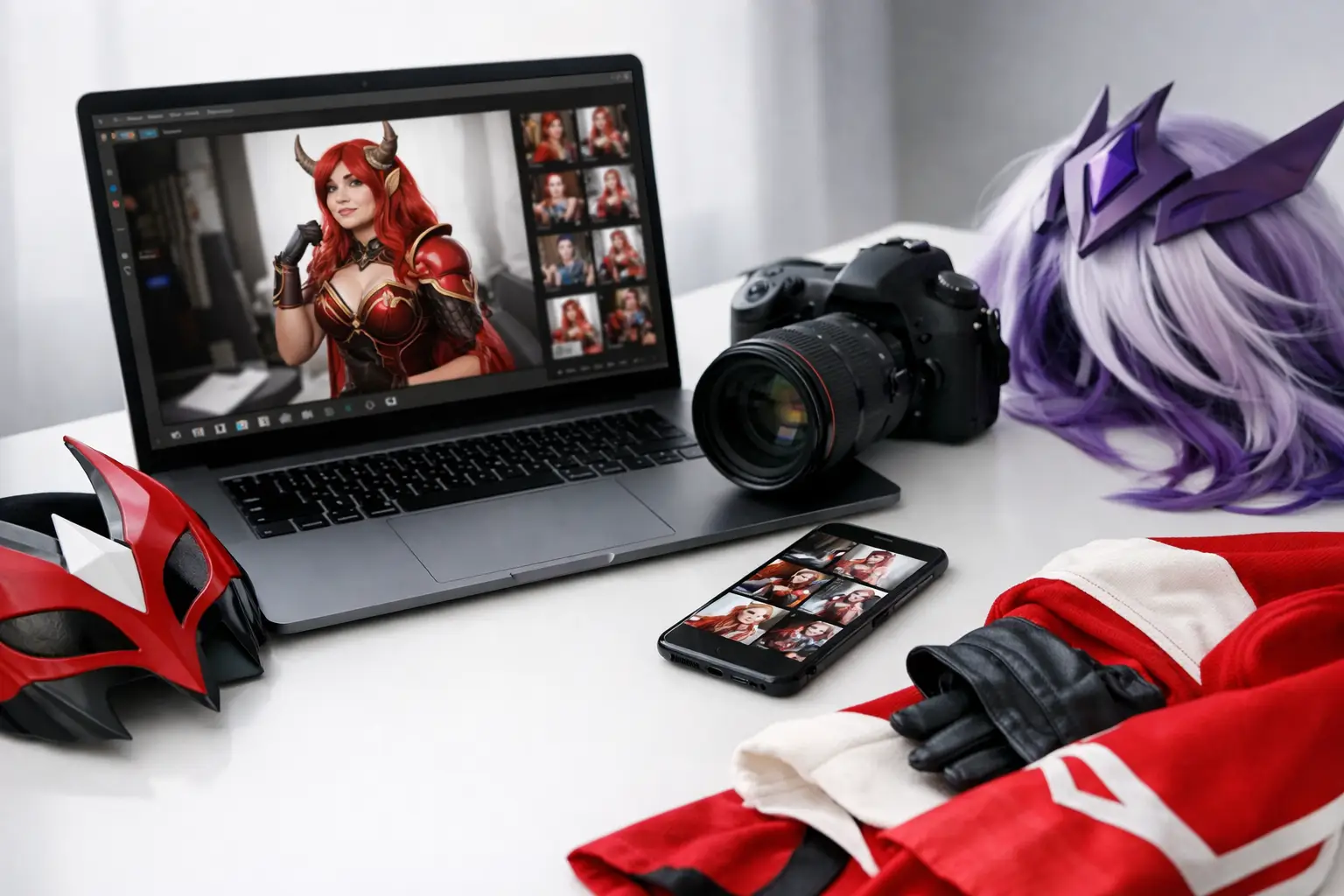
Cosplay creators usually hit the same wall at some point - great looks, strong audience response, and inconsistent income. The problem is rarely talent. It is usually platform strategy. The best platforms for cosplay creators are not the ones with the most hype. They are the ones that fit your content style, boundaries, fan behavior, and monetization goals.
That matters even more in cosplay, where your work sits at the intersection of performance, fashion, fandom, photography, and personality. A platform that rewards fast trends may grow reach but weaken conversion. A platform built for subscriptions may monetize better but demand stronger consistency. If you want a serious creator business, you need a platform mix, not blind loyalty to one app.
What cosplay creators actually need from a platform
For alternative creators, audience fit is only one part of the equation. You also need clear monetization tools, decent content control, and enough freedom to present your aesthetic without being flattened into something more mainstream. Cosplay is visually distinct by design. The wrong platform can treat that as niche. The right one treats it as an asset.
The biggest factors are usually discoverability, revenue options, content policy, and how well the platform supports a creator-led brand. If your audience likes short clips but buys long-form exclusives, one platform will not do everything. That is why the strongest creators tend to build a funnel rather than a single home base.
Best platforms for cosplay creators by goal
Instagram for visual brand positioning
Instagram still matters because brands, photographers, and casual fans use it as a credibility check. It is one of the fastest ways to signal polish, consistency, and aesthetic range. For cosplay creators, that means high-quality photos, reels, behind-the-scenes content, and story-led audience maintenance all in one place.
The trade-off is obvious. Reach can be volatile, and monetization is not the platform's strongest point for most creators. Instagram is best used as a top-of-funnel platform - strong for discovery and perception, weaker as your primary revenue center.
TikTok for reach and character-based growth
TikTok is one of the strongest discovery platforms for cosplay because performance-based content does well there. Character transformations, makeup reveals, skits, lip-sync clips, con recaps, and trend adaptation can scale quickly when they feel native to the platform.
But reach is not the same as income. TikTok can build fandom fast, especially for creators with strong on-camera presence, yet that attention often needs to be redirected elsewhere. If your strategy begins and ends on TikTok, you may end up with views that do not convert. Used properly, though, it is an excellent audience acquisition tool.
X for fandom conversation and community signal
X remains useful for cosplay creators who are plugged into fandom culture, live reactions, character discourse, and event commentary. It is less about polished presentation and more about staying visible in the conversation. If your audience engages around anime drops, gaming launches, conventions, and fan communities, X can keep you culturally relevant between larger content posts.
Its weakness is stability. Platform shifts, inconsistent moderation experiences, and low direct monetization appeal make it unreliable as a core business platform. Still, for creators whose brand thrives on immediacy and fandom fluency, it can support audience depth.
Reddit for niche visibility
Reddit is underrated for cosplay creators with strong niche alignment. Specific fandom communities, cosplay-focused subreddits, and convention-related spaces can drive highly qualified attention when your work genuinely fits the community.
You cannot treat Reddit like a promo dump. Audiences there are highly sensitive to obvious self-promotion. The creators who do well tend to post selectively, respect the culture of each subreddit, and understand that trust comes before conversion. It is a slower play, but sometimes a more durable one.
Patreon for membership-based support
Patreon works best for cosplay creators with an audience that values process, exclusivity, and recurring support. If you offer behind-the-scenes builds, tutorials, progress shots, exclusive sets, early access, or fan voting on future concepts, Patreon can be a strong fit.
The upside is stable monthly revenue from your most invested fans. The downside is fulfillment pressure. Membership platforms only work when the offer feels worth staying for. If you are inconsistent or your tiers are vague, churn happens fast. Patreon suits creators who enjoy building a closer fan ecosystem, not just posting and moving on.
OnlyFans for premium monetization
For many cosplay creators, especially those with strong personal branding and a clear audience relationship, OnlyFans is one of the strongest monetization platforms available. That is not because every creator uses it in the same way. It is because the platform allows more direct control over subscription income, premium content strategy, and fan monetization.
Cosplay creators often do well there when they understand positioning. The platform is not just about posting more. It is about building a premium offer, managing audience expectations, and creating a content ecosystem that feels intentional. For some creators, that means exclusive cosplay sets. For others, it means custom content, private engagement, or a more elevated version of what already performs publicly.
It also requires business discipline. Pricing, retention, boundaries, and traffic sources matter. The creators who treat it like a real revenue channel, rather than a side upload space, usually see the strongest results. That is one reason agencies like Beyond Caption focus heavily on structure and fair creator support around monetization, not just visibility.
YouTube for long-form authority
YouTube is a strong platform for cosplay creators who want longevity. Tutorials, costume construction, event vlogs, room tours, wig styling, makeup breakdowns, and fandom commentary can all build a deeper relationship than short-form platforms allow.
The challenge is production effort. YouTube asks for more planning, editing, and consistency than most creators can maintain without a system. But the upside is real. Good videos can keep working long after posting, and the platform can establish authority in a way short-form rarely does. If your brand has an educational or documentary edge, YouTube is worth serious attention.
Discord for fan retention
Discord is not a discovery platform. It is a retention platform. For cosplay creators with a loyal audience, it can create stronger community ties through private channels, event updates, fandom discussion, drops, and closer access.
The mistake is starting a Discord too early. An empty server weakens your brand more than it helps. Discord works when you already have a core group that wants more proximity. At that point, it can become one of your most valuable community assets.
How to choose the right platform mix
The best platforms for cosplay creators depend on what stage you are in. If you are still building audience, discovery platforms matter most. If you already have attention but weak income, subscription and premium platforms deserve more focus. If your audience loves your personality as much as your costumes, community-led platforms become more valuable.
A smart setup for many creators looks something like this: one or two discovery platforms, one monetization platform, and one retention platform. That keeps your business more stable. If one app cuts your reach, changes policy, or cools off, your entire income does not disappear with it.
It also helps to match platform to content type. Fast transformations and trending clips belong on short-form apps. Premium sets and deeper fan access belong on paid platforms. Tutorials and build logs belong where long-form content can breathe. Trying to force every content format onto every platform usually creates burnout and weaker results.
Common mistakes cosplay creators make
A lot of creators pick platforms based on what other people in their niche are doing, not what fits their own business model. That can work for a while, but copying someone else's stack rarely produces the same results. Your audience may want different things. Your boundaries may be different. Your content strengths definitely are.
Another common mistake is building visibility without conversion. It looks impressive on the surface - strong views, nice engagement, growing follower count - but there is no structure underneath it. Without a clear path from attention to income, growth becomes expensive emotionally and creatively.
Then there is underestimating platform culture. The same cosplay set can perform very differently depending on context, caption style, timing, and audience behavior. Good creators make good content. Strong creators also understand distribution.
The real question is not which platform is best
It is which platform is best for your next stage.
That answer changes. A newer creator may need TikTok more than Patreon. A creator with a loyal fan base may need OnlyFans or Discord more than Instagram. A creator pursuing brand deals may still need Instagram because it signals polish, even if it is not where the money comes from.
The strongest cosplay businesses are rarely built on one platform doing everything. They are built on clear positioning, strong boundaries, and a platform stack that respects both the art and the economics of being a creator.
Pick platforms that support your brand, not just your ego. The right audience will follow when the structure makes sense.