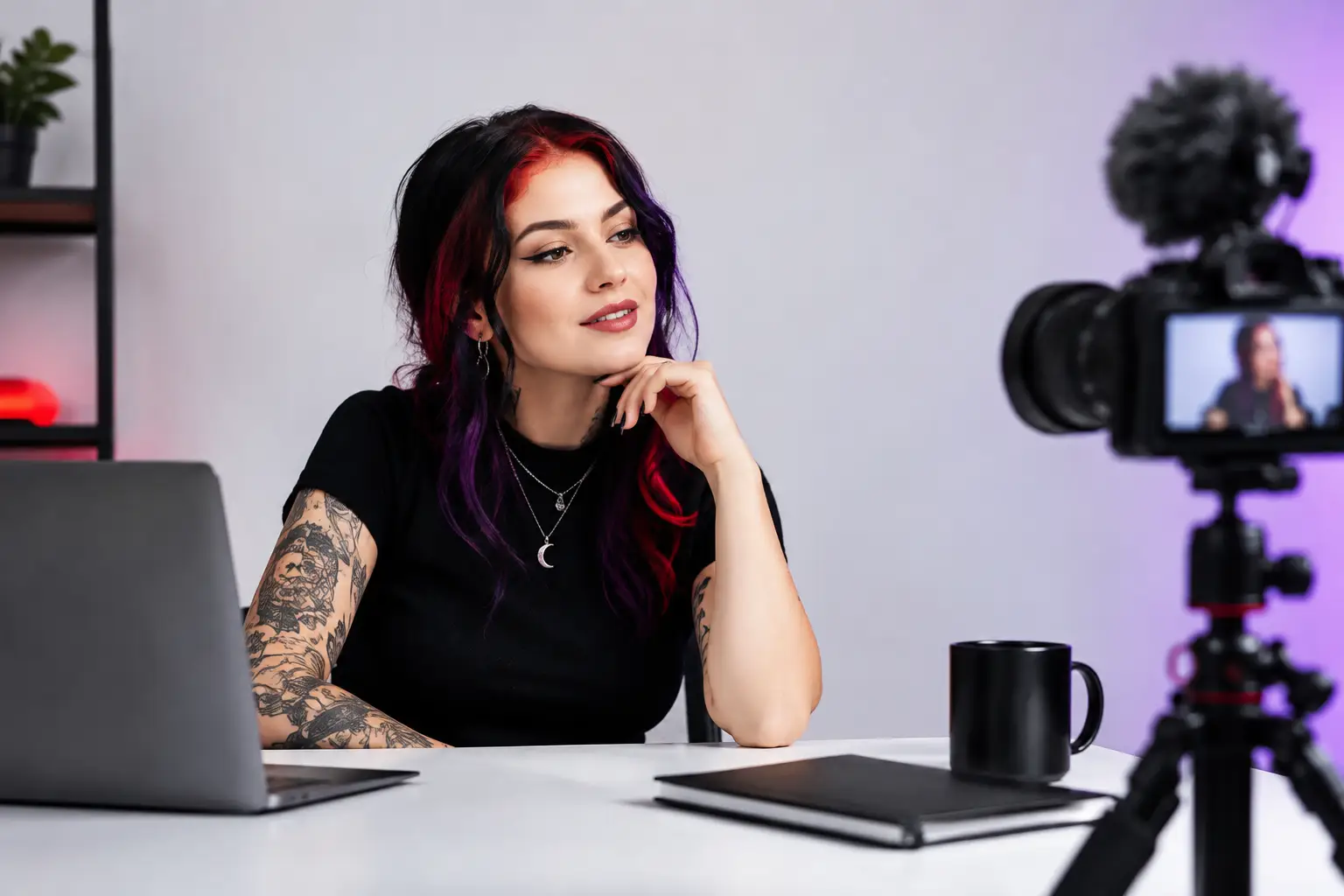
A black lipstick look, a detailed cosplay build, or a perfectly styled e-girl shoot can pull serious attention. That attention has commercial value. But brand deals for alternative creators often come with a familiar catch: a company wants the engagement, the niche credibility, and the visual edge, then asks you to sand down the parts that made your audience care in the first place.
You do not need to become a generic lifestyle creator to work with brands. The stronger move is to treat your aesthetic as a defined commercial position. Your look, audience trust, creative range, and platform performance are assets. The goal is not to say yes to every offer. It is to build partnerships that pay fairly, fit naturally, and leave your identity intact.
Why Alternative Creators Are Valuable to Brands
Alternative communities are not a costume rack brands can borrow from when they need to look current. Goth, emo, cosplay, e-girl, gaming, and adjacent aesthetics are culture-led spaces with specific references, standards, and audiences that can spot performative marketing immediately.
That is exactly why a creator with real credibility is valuable. You bring more than reach. You bring context. A beauty brand may understand that black lipstick sells, but you understand how to present it in a way that feels editorial, character-driven, soft goth, cyber, romantic, or genuinely wearable. A gaming company may want cosplay content, but you know what your audience sees as a thoughtful tribute versus a rushed costume.
For brands, that cultural fluency can translate into higher attention and stronger trust. For creators, it should translate into better positioning and better rates. High engagement in a clear niche is not a limitation. It is often the reason a partnership works.
Build a Brand-Ready Position Without Changing Yourself
Professional representation starts with clarity. Before pitching or accepting offers, be able to explain what you create, who follows you, and what kind of campaign you can deliver. “Alternative creator” is a useful umbrella, but it is not a complete positioning statement.
A goth beauty creator who makes high-production makeup transformations has a different commercial lane from an emo fashion creator who posts candid lifestyle content. A cosplay model specializing in armor builds has different opportunities from a creator known for character-inspired lingerie, gaming streams, or convention content. None is more valid. The distinction helps the right partners understand what they are buying.
Your media kit and outreach should make that value easy to see. Include your platform audience, engagement patterns, top-performing formats, visual references, prior partnership results if you have them, and a concise statement about your creative lane. Avoid trying to appeal to every category at once. A clear point of view makes you easier to book.
Choose categories with real creative overlap
The best partnerships usually have a reason to exist beyond a product being placed in frame. Beauty, hair color, fashion, gaming, collectibles, tech accessories, events, music, and lifestyle products can all fit alternative creators. The right category depends on your content and audience behavior.
A collaboration should pass a simple test: Would your audience believe you would use, wear, play, or recommend this if there were no campaign? If the answer is no, the payment may not offset the loss of trust.
That does not mean every deal must be a lifelong personal favorite. Creators are allowed to work commercially. It means the creative concept needs a credible connection to your platform. A sponsored video can be polished and profitable without pretending it is an unscripted personal discovery.
How to Find Brand Deals for Alternative Creators
Waiting for inbound offers is rarely enough, especially early in your career. Brands may be looking for creators with your exact audience but lack the language or research to find you. Proactive outreach puts you in the conversation before the brief is written.
Start with a focused list of companies already adjacent to your world. Look at brands your followers tag, products that appear organically in your content, companies sponsoring events your community attends, and labels that have shown consistent interest in alternative style. Then identify the marketing, influencer, social, or partnerships contact and send a brief, specific introduction.
Your pitch should not read like a copy-and-paste request for free products. Lead with the connection. Mention the format you would create, the audience it would reach, and why the concept suits the brand. For example, a cosplay creator might propose a transformation series featuring a wig, makeup product, or gaming release. An e-girl fashion creator might pitch a short-form styling concept that shows several wearable interpretations rather than one static post.
Keep the first message concise. The purpose is to start a commercial conversation, not send a full campaign deck before the brand has replied.
Make your content easy to assess
A brand reviewing your profile should understand your value in under a minute. Pin or feature work that shows your production quality, personality, and range. If you have done paid partnerships, show the ones that still feel like your content. If you have not, create a few speculative examples using products you already own, clearly without implying a formal partnership.
Consistency matters, but it does not mean every post must look identical. It means a brand can recognize your creative signature across formats. Your audience should know what they will get from you, whether you are posting a cosplay reveal, a moody beauty tutorial, a getting-ready video, or subscriber-focused work.
Price the Work, Not Just the Post
One sponsored post is rarely one piece of work. It can include concept development, styling, makeup, filming, editing, revisions, posting, usage rights, exclusivity, and reporting. If a brand is paying only for a post but expects all of that, the scope needs to be clarified before you agree.
Your rate should reflect your reach and engagement, but those are only part of the picture. Production complexity matters. So does the strength of your niche, the amount of creative control requested, your conversion history, and whether the company wants to use your image beyond your own account.
Usage rights deserve particular attention. If a brand wants to repost your content organically, that may be manageable within the base agreement. If it wants to run your image as paid advertising, use it in email campaigns, put it on product pages, or keep it live indefinitely, that is additional value and should be priced separately. The same applies to category exclusivity. If a hair color brand blocks you from working with competitors for six months, it is buying access to future opportunities as well as current content.
Do not let “exposure” replace compensation. Exposure from a respected partner can be useful, especially when it leads to portfolio value or repeat work, but it is not a universal payment method. Products, affiliate terms, and event access can be part of a deal. They should be clear additions to a fair offer, not a vague substitute for one.
Protect Your Image and Your Audience
A contract is not a sign that a partnership has become cold or distrustful. It is how both sides avoid assumptions. Read the deliverables, deadlines, approval process, payment schedule, cancellation terms, exclusivity period, content usage, and disclosure requirements before you begin work.
Pay close attention to approval language. A brand should be able to ensure factual claims are accurate and its product is represented properly. It should not be able to rewrite your entire voice after you have agreed on a creative direction. Set the concept, key messaging, and revision limits upfront. That protects the company from surprises and protects you from endless unpaid edits.
Disclosure also matters. Sponsored content should be clearly labeled according to platform rules and applicable advertising guidance. Transparency is not a threat to your audience relationship. Hidden sponsorships are. Your followers are more likely to support paid work when they can see that you are being direct with them.
If a company pressures you to hide an ad, overstate results, make claims you cannot verify, or post content that conflicts with your boundaries, walk away. A bad-fit deal can cost more than it pays.
Turn One-Off Campaigns Into Better Opportunities
The strongest partnerships are built after the first deliverable goes live. Send performance results, note what resonated with your audience, and share useful feedback from comments or messages. Be professional without becoming overly available. Good partners value creators who can communicate clearly and deliver on time.
Then look for the second idea. A single makeup post might become a seasonal look series. A game launch campaign might become convention coverage, a livestream integration, or a limited creator code. Repeat work is often more valuable than constantly chasing new brands because the creative process gets smoother and the company has already seen your impact.
This is where experienced, creator-first management can make a real difference. Beyond Caption supports alternative talent with commercial strategy and transparent representation, so creators can negotiate from a stronger position without handing over control of what makes their platform theirs.
The right brand deal should feel like an extension of your world, not an interruption to it. Protect the culture you have built, charge for the full value of your work, and let your standards do some of the filtering. The brands worth keeping will understand that your individuality is not the obstacle. It is the point.