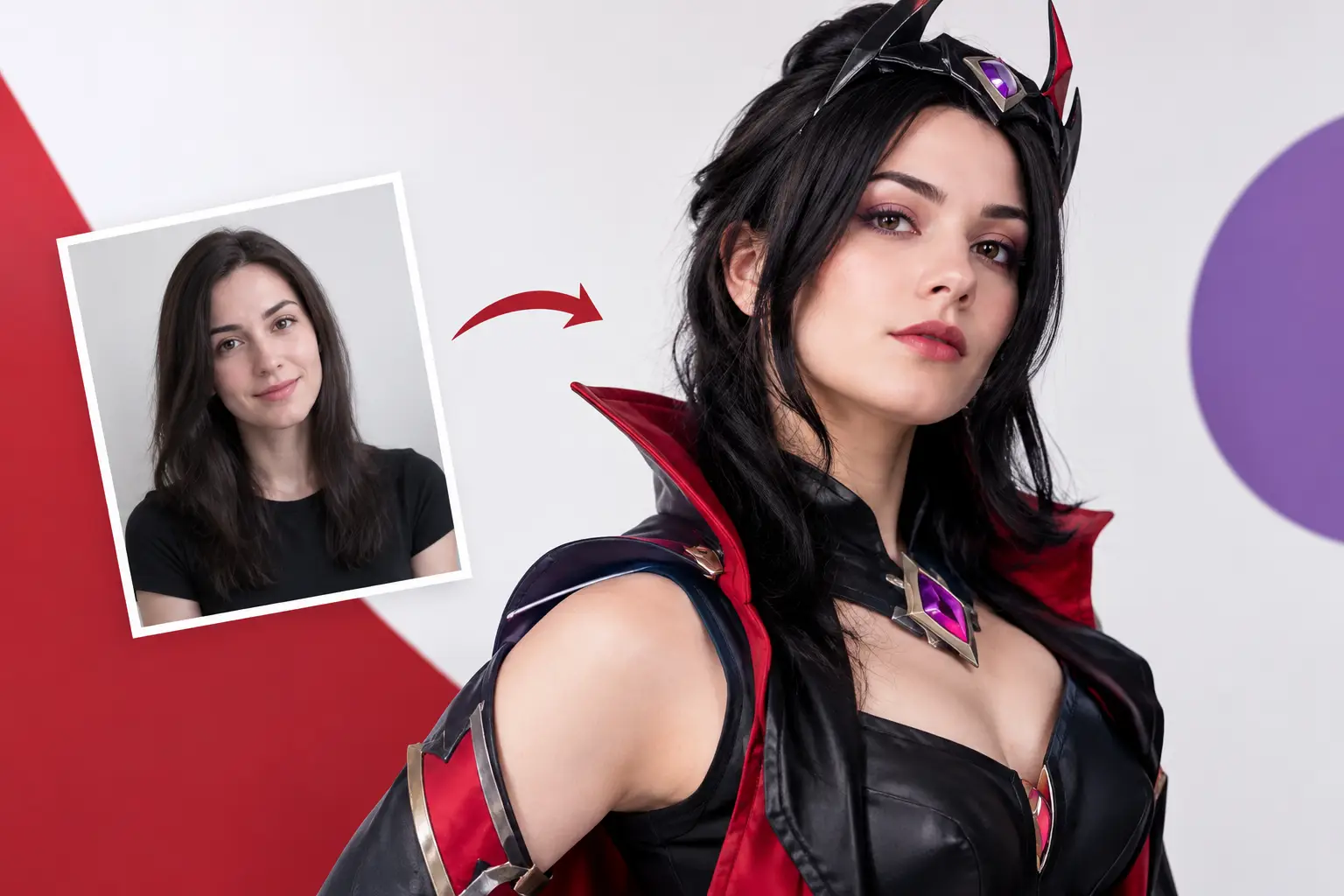
A cosplay rebranding example is not about deleting your past, swapping your hair color, and hoping the algorithm notices. It is about making your existing appeal easier to recognize, easier to buy into, and harder to copy. For a creator whose audience follows for character work, styling, personality, and access, a rebrand has to preserve the connection while raising the value of the whole experience.
The strongest rebrands do not make a cosplay creator look more mainstream. They make the creator's point of view more specific. That difference protects fan trust and gives brands, subscribers, and collaborators a clearer reason to choose you.
A Cosplay Rebranding Example: From Random Looks to a Recognizable World
Consider a fictional creator named Nyx. She has a solid following across social platforms, shoots several cosplay genres, and earns from subscription content, custom work, and occasional partnerships. Her feed is visually strong, but it feels scattered: a cyberpunk character on Monday, a pastel anime look on Wednesday, a gothic fantasy set on Friday. Each post performs reasonably well, yet no one could describe her brand in one sentence.
Nyx's rebrand does not require abandoning any of those aesthetics. Instead, she identifies the common thread: dark feminine characters with high-detail armor, dramatic makeup, and a playful villain energy. Her new positioning becomes clear: cinematic dark-fantasy cosplay with an intimate, character-led fan experience.
That statement changes decisions. Her visual direction now favors black, wine red, silver, and electric violet. Her captions carry the same confident, teasing tone. Her subscription content is organized around character arcs, behind-the-scenes transformation, and themed drops rather than unrelated uploads. Her public content is no longer a collection of costumes. It is an invitation into a world with a recognizable lead character: her.
The rebrand works because the audience is not asked to forget why they followed. They are given a more polished version of what already drew them in.
What Actually Needed to Change
Rebranding is often treated as a logo exercise. For creators, the higher-value work is deciding what your name, visuals, content, offers, and business boundaries communicate together. If those elements tell five different stories, followers may enjoy individual posts without developing the stronger loyalty that supports consistent income.
For Nyx, the changes were practical. Her profile imagery became more consistent. Her bio stopped listing every possible aesthetic and started naming the experience she offered. Her content pillars were narrowed so followers could anticipate what was coming next. She retired looks that received likes but attracted an audience with no interest in her premium work.
That last move can feel uncomfortable. Not every high-performing post is strategically useful. A trend-driven costume may bring reach, but if it pulls in people who disappear when you share your core work, it can distort your analytics and drain your creative energy. Reach matters. Audience fit matters more when you are building a sustainable creator business.
Her paid offers also needed structure. Rather than treating subscriber content as a catch-all archive, she gave each level a clear reason to exist: early access and process content at the entry point, deeper themed sets and community participation at the next level, and limited custom opportunities only where her capacity allowed. Premium positioning depends on clear expectations, not artificial scarcity.
The audience was part of the process
A rebrand should not land like a surprise corporate announcement. Nyx began signaling the shift through mood boards, polls, costume progress, and short posts explaining what she wanted to create more of. She did not ask followers to approve every decision. She showed them that their favorite parts of her work were becoming a bigger priority.
That approach matters especially in cosplay. Fans often form attachments to a creator's process as much as the final image. They remember the first version of a costume, the chaotic makeup test, and the character that introduced them to your work. Leaving room for that history makes a new direction feel earned rather than manufactured.
Why This Cosplay Rebranding Example Protects Revenue
A clearer brand can support higher-value opportunities, but only when the positioning connects to real operations. Looking premium while responding late, posting unpredictably, or accepting every mismatched deal creates friction fast.
Nyx uses her new direction to assess opportunities with more discipline. A fantasy gaming partnership, specialty makeup campaign, or dark alternative fashion collaboration makes sense because it reinforces her world. A generic promotion that requires a bright, unrelated aesthetic may pay once but weaken the story she is building. The right answer depends on the fee, the exposure, the contract terms, and whether the campaign reaches people likely to stay.
This is where creators need to think beyond a single post. A rebrand creates commercial leverage because it gives potential partners a clean picture of the audience, aesthetic, and deliverables they are investing in. It also makes rate conversations easier. You are not selling "a cosplay post." You are offering access to a defined visual identity and a community that recognizes it.
The same principle applies to fan platforms. A focused brand does not mean every set has to look identical. It means every release feels like it comes from the same creator. You can move from armored demon queen to gothic schoolgirl to cyber succubus if the styling, voice, quality standard, and audience promise remain coherent.
The Trade-Offs Creators Should Expect
Rebranding can temporarily reduce engagement. Some followers only want the content you are moving away from. Some will complain because change gives them a reason to be loud. That does not automatically mean the strategy is wrong.
The real question is whether you are losing the wrong audience or losing the audience that funds and sustains your work. Watch saves, repeat comments, subscription retention, direct inquiries, and conversion quality alongside likes. A smaller but more aligned audience is often more valuable than broad attention that never becomes support.
There is also a risk of becoming too rigid. If your new identity is so narrow that you cannot experiment, the brand will feel like a cage. Keep a defined core and allow room for seasonal concepts, unexpected characters, and personal evolution. Consistency is not repetition. It is a reliable point of view.
Creators should also be careful with contracts during a transition. If a management partner, photographer, platform agreement, or sponsorship has usage clauses that affect your image, make sure the new direction is not compromised by old obligations. Professional representation should make that process clearer, protect your control, and ensure the commercial upside is shared fairly.
How to Build Your Own Rebrand Without Performing a Personality
Start with evidence, not aspiration. Review your last several months of content and identify the posts that brought the best combination of engagement, meaningful comments, subscriber conversion, and personal creative satisfaction. Look for recurring signals in characters, color, styling, humor, energy, and audience behavior.
Then write a simple brand sentence that names your aesthetic, your differentiator, and the experience people can expect. If it could describe hundreds of creators, it is still too vague. "Cosplayer and model" is a category. "Dark-fantasy cosplay built around cinematic villains and close-up transformation content" gives people something to remember.
Next, update your most visible touchpoints together: profile image, bio, pinned content, highlight covers, feed direction, offer descriptions, and message tone. A partial rollout can make a rebrand look accidental. You do not need a massive launch, but your public-facing foundation should tell one clear story.
Finally, give the new direction enough time to work. One week is not a strategy. Build a short content runway, repeat your strongest themes in different formats, and track whether the right people are responding. If you need to adjust, adjust the execution before you abandon the core idea.
A good rebrand should make your next decision easier. If a concept, partnership, or offer fits your world, it becomes stronger. If it pulls you away from the creator you are building, you have permission to pass. That clarity is not limiting. It is how distinctive creators stay visible, valued, and fully in control of what comes next.