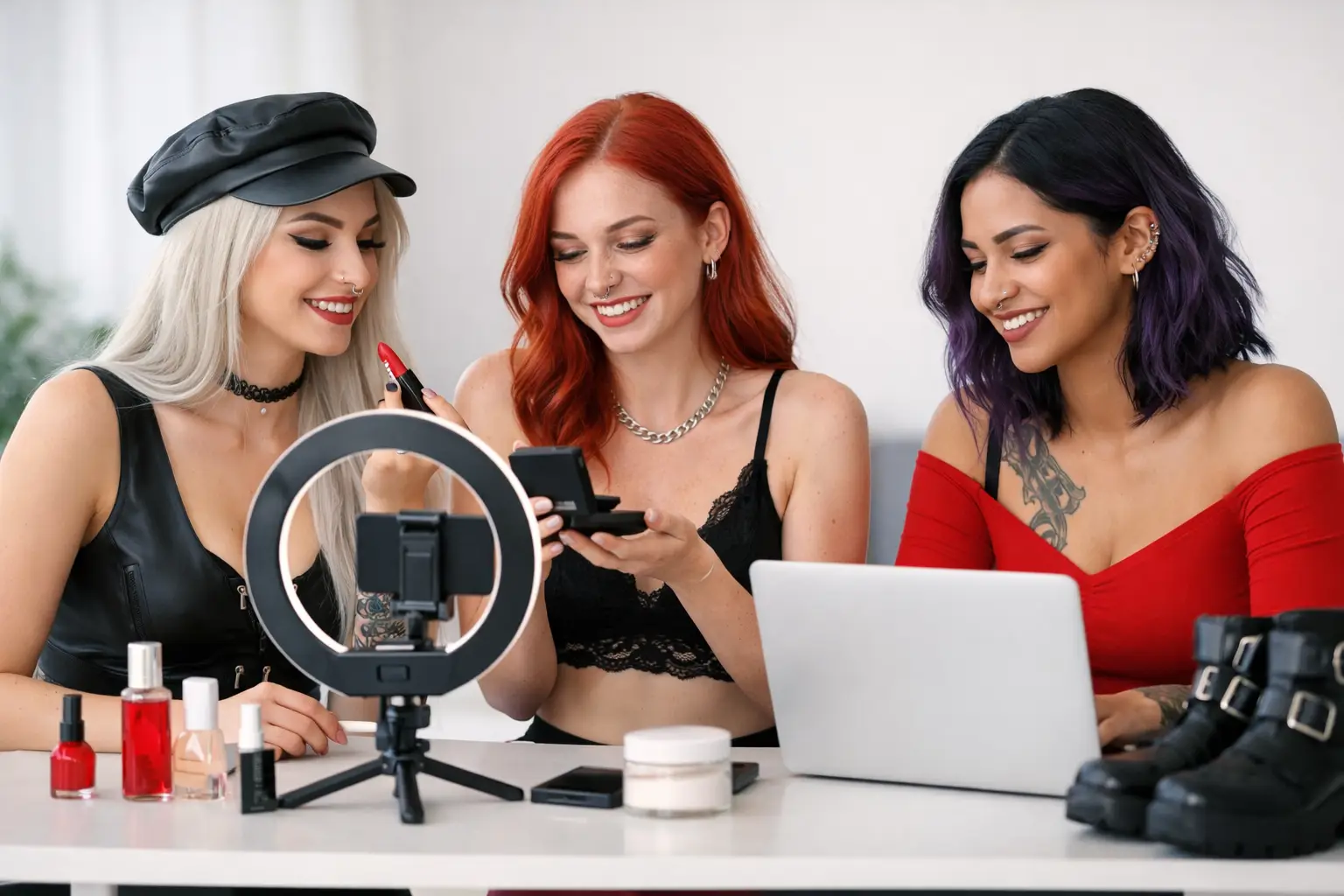
A brand asks for “authentic UGC,” then sends a brief that wants your face, your voice, your signature look, five video variations, unlimited edits, and perpetual ad rights for a starter fee. That is exactly why ugc deals for alternative models need a sharper standard than a generic creator collab.
Your goth makeup, cosplay craft, e-girl styling, or emo visual language is not interchangeable content inventory. It is a recognizable point of view built through skill, community knowledge, and consistent audience trust. Brands that understand that can become strong long-term partners. Brands that do not will often try to buy a full creative campaign under the label of “UGC.”
The goal is not to turn every offer into a complicated negotiation. It is to understand what is being purchased, price it clearly, and keep control of the image and identity that make your work valuable.
What UGC Deals for Alternative Models Actually Include
UGC, or user-generated content, usually means content a creator makes for a brand to publish on its own channels. Unlike an influencer campaign, the main deliverable may not require you to post to your audience. You might film a product demo, unboxing, tutorial, testimonial-style video, photo set, or short-form ad that the brand uses on TikTok, Instagram, paid social, email, or its website.
For alternative models, that definition gets more layered. A beauty brand may want a goth-inspired transition video. A gaming company may want cosplay-forward footage. A fashion label may want e-girl styling that gives its campaign a specific cultural reference point. In these cases, the value is not only your ability to shoot vertical video. It is your ability to make the creative feel credible to the people the brand wants to reach.
That distinction matters because a brand is often licensing more than a clip. It is licensing your likeness, aesthetic direction, performance, and social proof. If you are expected to appear on camera, style the look, write the hook, source props, edit the video, and provide ad-ready files, the rate should reflect that work.
Start With the Brief, Not the Number
Before naming a rate, get the scope in writing. A clear brief protects both sides and makes it easier to see whether the offer is a simple content job or a broad commercial usage deal.
Ask where the content will appear, how long it will be used, whether it will support paid ads, and whether the brand expects raw footage. Confirm the number of final assets, video length, aspect ratios, required talking points, deadlines, revision rounds, and whether the product is gifted or paid. If the brief says “organic use,” ask for a definition. Some brands use that phrase correctly to mean unpaid posts on their own social channels. Others use it loosely while planning to turn the content into ads.
Also ask whether the brand wants exclusivity. A skincare company asking you not to work with direct competitors for 30 days is different from asking you to avoid an entire beauty category for six months. Exclusivity limits future income, so it deserves its own fee rather than being treated as a casual add-on.
A professional brand will not be offended by these questions. Clear details help them plan their campaign. If someone refuses to explain usage while demanding a fast yes, that is useful information too.
Separate Creation From Usage Rights
The cleanest way to price UGC is to separate the creation fee from the usage license. Your creation fee covers your labor and creative production: planning, filming, styling, editing, equipment, and delivery of the agreed final files.
Usage rights cover what the brand can do with those files after delivery. Organic social use for a defined period is one level of value. Paid advertising, website placement, retailer pages, email marketing, whitelisting, and perpetual usage expand the commercial value significantly. The more channels, duration, and spend behind your likeness, the more the license should cost.
Avoid giving away perpetual, worldwide, all-media rights by default. They may make sense for a genuinely premium buyout, especially when a brand needs long-term campaign assets. But they should never be buried in a short email or exchanged for free product. A defined license gives both parties room to renew if the content performs well.
Raw footage needs separate attention too. It gives a brand material it can recut into new ads, change the message around, or use beyond the original concept. If you provide it, specify what is included and what usage rights apply. Do not assume that delivering raw clips means the brand owns every future version without limits.
Price the Work You Are Actually Doing
There is no single correct rate card for alternative UGC. Your experience, production quality, demand, niche, location, turnaround time, and the scope of usage all matter. A newer creator with a clean portfolio may accept smaller projects to build commercial proof. An established model with a distinct visual identity, strong camera presence, and proven conversion value should not price themselves like a general content freelancer.
A useful starting structure is a base rate per asset or package, followed by separate fees for paid usage, extended licensing, exclusivity, rush turnaround, extra concepts, additional revision rounds, raw footage, and travel or specialty materials. This makes the conversation less personal. You are not defending your aesthetic. You are pricing a defined commercial scope.
Do not let a brand reduce the rate simply because it is not asking for an audience post. Non-posted UGC can be especially valuable because the brand may run it at scale as paid media. Your follower count may be less relevant, but your creative skill and on-camera identity are still central to the result.
If a budget is genuinely limited, negotiate the scope before cutting your value. Offer one final video instead of three, a shorter license instead of perpetual rights, or simpler production instead of a full styled concept. A smaller deal with clear terms can be worthwhile. A large request with vague rights rarely is.
Keep Your Aesthetic Specific
Alternative creators are often approached because a brand wants the visual energy of a subculture without understanding it. That can lead to briefs that feel generic, awkward, or openly stereotypical. You do not need to accept creative direction that makes your identity feel like a costume for someone else’s trend cycle.
Review the concept for fit before signing. Does the product make sense in your content world? Is the brand asking for a style you can deliver honestly? Are they using language, references, or messaging that would alienate the audience you have built? A deal can pay well and still be wrong for your brand.
This is also where creative control has a practical business value. Set expectations around wardrobe, makeup, scripting, and editing in the approval process. Brands need confidence that the deliverable meets their objectives. You need reasonable freedom to make it look like content people would actually stop scrolling for.
For cosplay creators, be particularly careful around character intellectual property. A brand may ask for “inspired by” content, but the line between a broad aesthetic and a protected character can be narrow. Clarify whether branded costumes, logos, character names, or recognizable props are expected. When in doubt, propose an original concept with the same energy rather than taking on avoidable risk.
Build a Deal Process That Protects You
A simple professional process makes you easier to hire and harder to exploit. Start with a written scope, then send a rate and license proposal. Once the terms are accepted, use an agreement that covers deliverables, payment timing, usage, revisions, cancellation, disclosure requirements, and ownership. Do not begin production based only on a casual direct message.
For first-time clients, a deposit or full payment before final delivery is reasonable, particularly on lower-budget projects. At minimum, avoid sending unwatermarked final assets before payment terms are met. Keep your approvals documented. If a brand asks for a new concept after you have filmed the approved one, treat it as new work rather than an endless revision.
Watch for a few recurring red flags: pressure to move immediately, missing payment dates, unclear paid-media rights, demands for unlimited revisions, requests to imitate another creator, or a contract that claims ownership of your name and likeness far beyond the campaign. None of these automatically mean a brand is malicious. They do mean you should pause and clarify before committing.
Representation can help when deals become more complex. A creator-first manager can filter weak offers, negotiate usage and exclusivity, and protect the business side while you stay focused on your work. At Beyond Caption, that standard starts with respecting the creator’s long-term value, not extracting the fastest possible commission from a one-off deal.
Turn Strong Projects Into Better Opportunities
After each completed campaign, save the information that proves your commercial value. Keep approved final assets, client feedback, performance results when they are shared, and a short note on the creative objective. Build a portfolio that shows range without erasing your identity: product demos, voiceovers, transitions, beauty work, styling, gaming, fashion, or lifestyle content can all belong together when the point of view stays recognizable.
You do not need every UGC project to be a dream brand. You do need every accepted project to move your positioning forward, pay appropriately for its scope, or teach you something useful about your rate and process. The best deals make room for all three: fair pay, clear rights, and content that still looks unmistakably like you.